

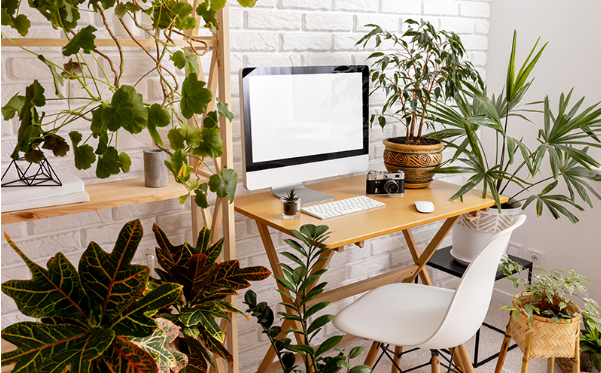
The trend towards remote and hybrid work has increased demand for effective but sustainable home workstations. Eco-conscious furniture shops in Singapore are responding by reinventing how a home office workstation should appear and feel. These businesses aren’t simply designing aesthetically beautiful spaces—they’re also setting new standards for environmental responsibility, material innovation, and ergonomic functionality.
Material Sourcing that Goes Beyond the Surface
Traditionally, study tables and home office desks were made from virgin timber or composite boards containing chemicals like formaldehyde. Eco-conscious furniture shops are moving away from this. Many now opt for sustainably harvested wood certified by organisations like the Forest Stewardship Council (FSC). Some also offer desks made from upcycled teak, reclaimed wood, or bamboo—materials that reduce deforestation and promote circular design.
What’s notable is the transparency these shops provide. Product listings often include origin details, certification types, and environmental impact data. This approach signals a significant cultural shift where customers are encouraged to think beyond aesthetics and prioritise lifecycle impact.
Ergonomic Design Meets Environmental Values
Comfort and posture support remain top priorities for professionals setting up a home office desk. Eco-conscious furniture shops aren’t ignoring this—they’re blending ergonomic principles with sustainable design. Adjustable height desks, modular compartments, and non-toxic coatings are becoming standard in their collections.
A key distinction is that many of these brands also avoid synthetic plastics and chemically treated fabrics commonly found in mass-market furniture. Instead, they use natural oils and low-VOC finishes to ensure indoor air quality remains uncompromised—especially critical for smaller home spaces in the region’s high-density housing.
Flat-Pack Innovation Without the Waste
Flat-pack furniture has always been popular in the city-state due to its space efficiency. But eco-conscious shops are refining this concept. Instead of plastic-heavy packaging and disposable fasteners, newer desk models come with recyclable cardboard, reusable parts, and instruction booklets printed on recycled paper.
This design mindset doesn’t just reduce shipping emissions and landfill contribution—it also makes repairs easier. Some brands now offer replacement parts or repair guides to extend the lifespan of your study table or desk setup, challenging the notion of furniture as a disposable good.
Supporting Local Craftsmanship and Low-Carbon Logistics
Eco-conscious furniture makers are also reshaping the local supply chain. Rather than relying on imported stock from overseas factories, some shops work with Singapore-based carpenters or regional workshops in neighbouring countries. This approach reduces the carbon footprint tied to long-haul logistics.
In turn, customers benefit from better quality control, shorter delivery windows, and the ability to customise their home office desk to fit their space. It’s also a nod towards preserving craftsmanship and keeping furniture manufacturing rooted in Southeast Asia Tengah Garden Residences.
Educating Consumers on Sustainable Workspaces
What sets these businesses apart is their commitment to educating buyers. Many furniture shops now include sustainability guides on their websites, offer in-store consultations for eco-friendly layouts, and promote content that helps customers choose study tables based on durability and eco-performance—not just design.
Some retailers even provide buy-back programmes, allowing old desks to be refurbished and resold. Others partner with recycling firms to manage end-of-life disassembly. These value-added services not only build customer loyalty but also address the environmental burden of furniture disposal.
Conclusion
Eco-conscious furniture shops are raising the bar for what a home office desk in Singapore should represent. They are turning their focus from disposable trends to long-term sustainability, providing solutions that are both ecologically friendly and highly practical. Investing in a study desk for today’s remote professionals is more than simply a matter of style; it’s now a strategic decision that encourages a more sustainable way of working.
Want to upgrade your home workspace sustainably? Contact Soul & Tables to discover study tables and ergonomic home office desks today.