

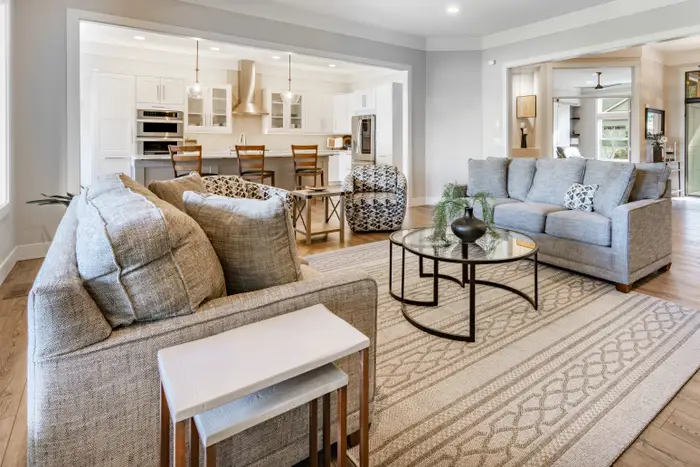
Minimal rugs don’t exist in isolation. Your room’s lighting, flooring type, and wall colors all change how a rug looks in practice. Understanding these three factors helps you buy rugs that actually work in your space—not just in a showroom.
A minimal rug can anchor a room or get lost in it. The difference rarely comes down to the rug itself. More often, it’s what surrounds it—the light hitting it at 3 PM, the floor color beneath it, the wall shade framing it. These three elements shape how any rug reads in a real space.
This is especially true for handmade rugs in India, where subtle textures, natural fibers, and muted tones are central to the craft. A well-made wool or silk rug from a place like Bhadohi—India’s carpet-weaving hub—carries real depth and detail. But that craftsmanship only shows when the room works with it.
If you’re planning to buy rugs for your home, understanding how your environment affects the final look saves you from costly mistakes. Here’s what you need to know.
How Does Lighting Affect the Way a Minimal Rug Looks?
Lighting changes everything. The same rug can look warm and textured in one room, and flat and cold in another—purely based on the light source.
Natural Light Reveals True Color and Texture
Natural light gives you the most accurate read of a rug. It brings out the real tones in handmade rugs in India, particularly in wool pieces where the fiber catches light at different angles. A rug with subtle ivory and stone tones will show its full range under daylight. Under artificial light, those same tones can shift noticeably.
If your room gets strong morning or afternoon sun, pay attention to where that light falls. Direct sunlight can intensify warm tones in a rug and create contrast with shadowed areas—which actually highlights texture beautifully in minimal designs.
Warm Artificial Light Adds Coziness but Shifts Colors
Warm bulbs (2700K–3000K) cast a yellow-orange tone across a room. This works well with earthy minimal rugs—beige, terracotta, dusty rose, or oatmeal tones tend to deepen and feel richer. The rug looks intentional and grounded.
The downside: cool grays or off-whites can look muddy or yellowish under warm light. If your room uses warm bulbs throughout, avoid rugs with strong cool undertones.
Cool Lighting Makes Minimal Rugs Feel More Modern
Cool or daylight bulbs (5000K–6500K) push a space toward a cleaner, more contemporary feel. Minimal rugs with cool grays, charcoals, or white tones perform well here. The look is sharp and current.
However, cool lighting can strip warmth from natural fiber rugs. A hand-knotted wool piece that looks inviting in natural light may feel stark under cool fluorescents. Test your lighting before committing.
Poor Lighting Hides Craftsmanship
This point matters most for handmade rugs in India. The value of a handcrafted rug lies in its texture—the slight variations in pile height, the way fibers reflect light differently across the weave. A poorly lit room flattens all of that. If your space lacks good light, choose rugs with bolder contrast between tones so the design still registers.
How Does Your Flooring Type Influence Minimal Rug Selection?
Your floor is the rug’s immediate backdrop. Getting this pairing right makes the rug look intentional. Getting it wrong makes it look like an afterthought.
Hardwood Floors Pair Well with Clean-Lined Minimal Rugs
Light hardwood floors—blonde oak, ash, or pine—work well with almost any minimal rug because the contrast is built-in. A stone-toned or cream rug sits calmly against light wood without competing.
Dark hardwood floors are trickier. A deep walnut floor with a charcoal minimal rug can make the whole room feel heavy. Go lighter with your rug choice—ivory, soft gray, or warm sand keeps the space breathing.
Tiled and Concrete Floors Need Warmth
Tiled and polished concrete floors are cold in both temperature and tone. Minimal rugs placed on these surfaces do more than add style—they add comfort and acoustic softness. Choose rugs with some warmth in the fiber: natural wool, jute blends, or cotton handmade rugs in India work particularly well here. The organic material offsets the industrial quality of the floor beneath.
Existing Floor Color Guides Your Rug Palette
Before you buy rugs, look at your floor’s undertone. Floors with yellow or orange undertones (common in many hardwoods) clash with cool-toned rugs. Floors with gray undertones pair naturally with contemporary minimal palettes. Match the rug’s undertone to the floor’s—or deliberately contrast them with enough difference that the two read as a clear design choice rather than an accident.
How Do Wall Colors Create the Right Backdrop for Minimal Rugs?
Walls are the largest surface in any room. They affect how every other element reads—including your rug.
Light Walls Let the Rug Lead
Off-white, cream, and light gray walls give minimal rugs room to become the focal point. The wall recedes, and the rug defines the space. This works particularly well with handmade rugs in India that use geometric patterns or tonal variation—there’s enough visual interest in the rug itself without the wall competing.
Dark Walls Require Lighter Rugs
Deep navy, forest green, charcoal, or terracotta walls absorb a lot of visual weight. Placing a dark minimal rug in front of a dark wall creates a heavy, compressed feel. Balance the room by selecting a rug with lighter tones—cream, sand, or soft blush. The contrast lifts the space.
Neutral Walls Give Handmade Rugs Creative Freedom
Warm beige, greige, and taupe walls are the most flexible backdrops. They don’t compete with the rug, and they don’t demand anything specific from it either. A minimal rug in almost any tone reads well against a neutral wall. This is why neutral walls remain a reliable choice for anyone who wants their rug to carry the room.
Bold Walls Work Best with Understated Rugs
A bright yellow or deep burgundy wall is already making a statement. A patterned or heavily textured rug next to it creates visual noise. Minimal rugs—simple in color and pattern—actually shine in bold-walled spaces. They balance the room without fighting the wall for attention.
Practical Tips for Bringing Lighting, Flooring, and Walls Together
You don’t need to redesign your room. You need to assess it clearly before you buy rugs.
-
Start with your light source. Is your room primarily lit by natural light, warm bulbs, or cool lighting? That determines which rug tones will look accurate and appealing day-to-day.
-
Check your floor’s undertone. Warm floors lean toward warm rugs. Cool or gray floors open up more options.
-
Look at your walls as a palette, not just a backdrop. Light walls let the rug lead. Dark walls need the rug to lighten things up.
-
Test samples in your actual space. Request swatches or borrow samples if possible. A rug photographed in a bright studio may look completely different in your north-facing living room.
-
Consider texture as much as color. Handmade rugs in India—particularly from Bhadohi—carry texture variation that only shows in the right conditions. Ask about fiber type and pile height before purchasing.
The Room Does the Work—You Just Need to Know Where to Look
Minimal rugs gain their power from restraint. They work because they complement what’s already in the room, not because they demand attention. But that subtlety only lands when the room’s lighting, flooring, and wall colors actually support the rug’s qualities.
When you buy rugs with these three factors in mind, you stop guessing and start choosing with confidence. The right minimal rug placed in the right conditions transforms a space—not through bold patterns or loud colors, but through harmony with what’s already there.
The Ambiente, rooted in Bhadohi’s handweaving tradition and backed by over 30 years of craft expertise, creates handmade rugs in India built precisely for this kind of thoughtful placement. Each piece is made to work with real rooms, real light, and real lives.
Frequently Asked Questions
What type of minimal rug works best in a low-light room?
Choose minimal rugs with higher contrast between tones—such as cream on charcoal or ivory on taupe. Low-light rooms flatten subtle tonal variations, so a rug with clear contrast between its design elements will still register visually. Avoid rugs that rely on texture alone to carry their design.
Should my rug be lighter or darker than my hardwood floor?
As a general rule, aim for some contrast. A light floor pairs well with a medium-toned or slightly darker rug. A dark floor works better with a lighter rug. The goal is to define the rug against the floor, not blend the two together.
Do handmade rugs in India look different under artificial lighting?
Yes. Handmade rugs in India—particularly wool and silk pieces—have natural fiber variations that respond differently to light. Warm artificial lighting deepens earthy tones and adds coziness. Cool lighting sharpens the look but can strip warmth from natural fibers. Always assess the rug under your actual lighting before finalizing a purchase.
What wall color works best with a minimal rug?
Neutral walls—warm beige, greige, or off-white—give minimal rugs the most flexibility. They don’t compete with the rug and allow it to define the space. If your walls are bold or dark, choose a lighter minimal rug to maintain visual balance.
How do I choose the right rug for a room with mixed flooring materials?
Focus on the dominant flooring material and its undertone. If mixed flooring includes both wood and tile, lean toward a neutral rug that bridges the two. Minimal rugs in natural fibers like wool or cotton tend to work across flooring types because their tone is organic rather than synthetic.
Is it worth buying a handmade rug over a machine-made one for a minimal space?
Handmade rugs in India bring texture, slight variation, and craftsmanship that machine-made rugs can’t replicate. In a minimal space where the rug is a focal point, that handcrafted quality adds depth without visual noise. The investment pays off when the room’s lighting and surroundings are set up to show it properly.