

Modern furniture in 2026 reflects a clear shift toward comfort, warmth, and individuality. After years of cool, high-contrast minimalism and rigid geometry, contemporary homes are embracing softer forms, richer textures, and palettes that feel inviting rather than austere. The result is furniture that supports everyday living while maintaining a polished, design-conscious appearance. These trends favor pieces that look considered yet remain practical for real households.
Soft Curves and Sculptural Silhouettes
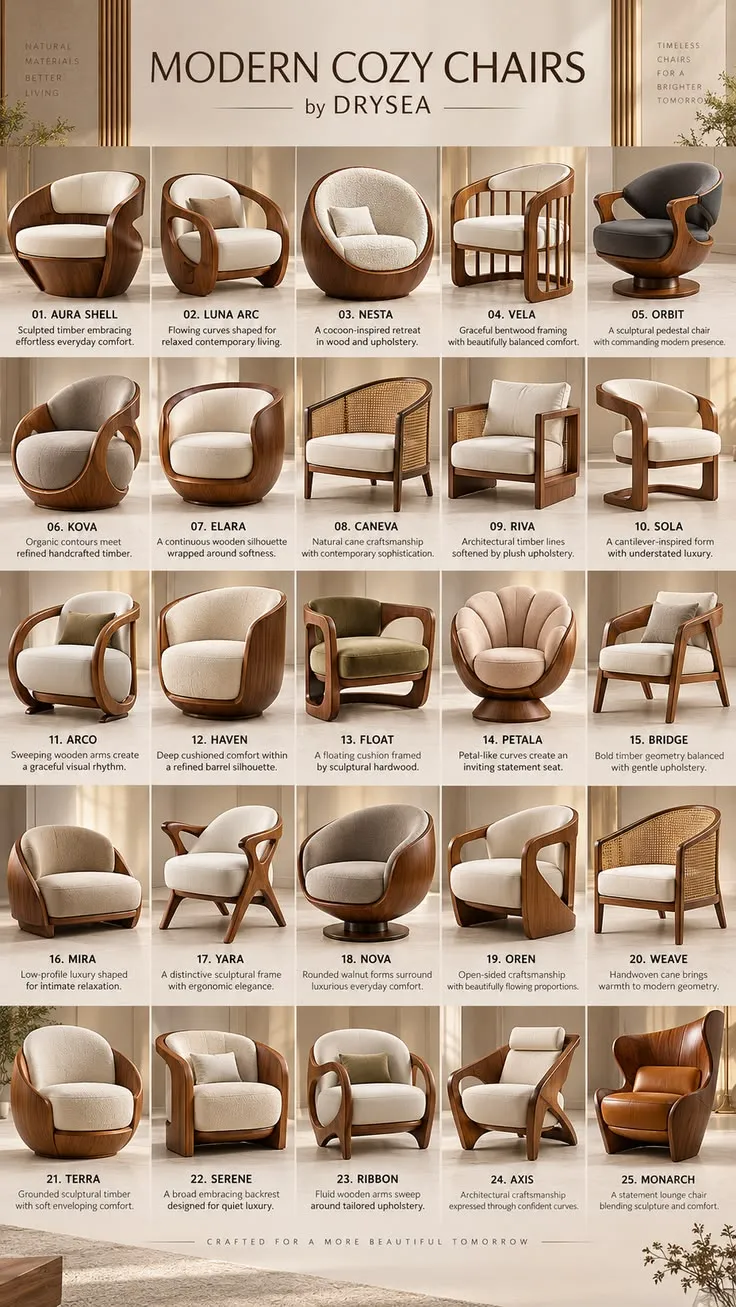
One of the most noticeable directions in 2026 is the move away from sharp angles toward rounded, gently sculpted profiles. Sofas, accent chairs, beds, and dining seating increasingly feature curved arms, softened corners, and organic outlines. These shapes create a more relaxed visual rhythm without sacrificing sophistication. When proportions remain balanced and upholstery is tailored, curved furniture reads as refined rather than casual or overly playful.
Low, enveloping seating has also gained prominence. Deeper seats and more generous forms encourage lingering, aligning with a broader preference for furniture that prioritizes physical comfort alongside aesthetics. Modular sectionals continue to evolve, offering flexible configurations that adapt to different room sizes and changing needs.
Warm Minimalism Replaces Cool Restraint
Stark white-and-gray schemes and thin, gallery-like profiles are giving way to warmer interpretations of modern design. Medium wood tones, creamy neutrals, warm taupes, sand, camel, mushroom, and softened charcoal create backdrops that feel welcoming. These hues support a sense of calm while still allowing furniture to stand out through form and texture.
Wood plays a central role. Walnut, oak, teak, and similar species appear in tables, storage, and seating frames, often with visible grain and matte or lightly finished surfaces that emphasize natural character. The combination of clean modern lines with warmer materials produces interiors that feel contemporary yet grounded.
Texture Takes Center Stage
As color palettes grow quieter, texture carries more of the visual interest. Bouclé and bouclé-inspired fabrics, woven upholstery, ribbed or fluted surfaces, and mixed-material accents add depth without introducing clutter. Matte wood finishes and tactile textiles help spaces feel layered and lived-in rather than sparse.
Natural materials with inherent variation—stone, wood with character, and high-quality textiles—are preferred over perfectly uniform surfaces. This appreciation for subtle imperfection contributes to a more personal and enduring look.
Comfort and Function Combined
Furniture in 2026 frequently integrates practical features without compromising design. Storage beds, multi functional pieces, and modular systems address the realities of smaller or multi-use spaces. Function is treated as an intrinsic part of the aesthetic rather than an afterthought. Pieces that serve clear purposes while contributing to the overall character of a room are especially valued.
Mid-century modern principles continue to influence contemporary work, though the 2026 version adapts rather than replicates the past. Low-profile sofas, tapered legs, streamlined storage, and simple tables appear alongside warmer woods and softer upholstery, creating flexible, purpose-driven furnishings suited to today’s homes.
Personalized and Layered Spaces
Strict matching sets and catalog-perfect rooms are less dominant. Instead, homeowners and designers favor collected, layered interiors that mix elements with intention. Combining different textures, introducing a standout sculptural piece, or incorporating vintage or handcrafted items alongside new furniture creates individuality. The emphasis is on personality and long-term appeal rather than fleeting perfection.
Earthy and mineral tones—deep browns, tobacco, oxblood, terracotta, and forest or olive greens—appear in larger upholstered pieces and accents, adding richness without overwhelming quieter neutral bases.
Materials That Support Longevity
Natural and honest materials remain central. Quality wood, well-made textiles, and thoughtfully finished surfaces are chosen for both appearance and durability. Sustainable considerations continue to influence purchasing, with interest in pieces that will age well and remain relevant beyond a single season.
Metal accents, when used, often lean warmer—brushed or softer finishes rather than high-contrast industrial looks—helping them integrate with wood and fabric.
Practical Guidance for Contemporary Homes
When selecting furniture for 2026, prioritize proportion, comfort, and material quality. A curved sofa gains presence when its scale suits the room and its upholstery feels substantial. Warm wood tones pair effectively with creamy or taupe textiles. Mixing one or two textured or sculptural pieces with simpler forms prevents visual overload while still achieving a current look.
Consider how pieces will function daily. Modular or adaptable designs offer flexibility as needs change. Investing in well-constructed core items—seating, tables, and storage—provides a foundation that can evolve with accessories and secondary furnishings.
A More Human Approach to Modern Design
The furniture trends of 2026 ultimately favor spaces that feel comfortable, personal, and enduring. Softened silhouettes, warm neutral and earthy palettes, rich textures, and thoughtfully integrated function replace colder minimalism and rigid formality. By choosing pieces that balance sculptural interest with everyday usability, homeowners can create contemporary interiors that support both style and the rhythms of real life. These directions suggest a lasting shift toward furniture that welcomes rather than impresses from a distance, making modern homes more inviting places to live.
Read more – gloryhouseworld.com