

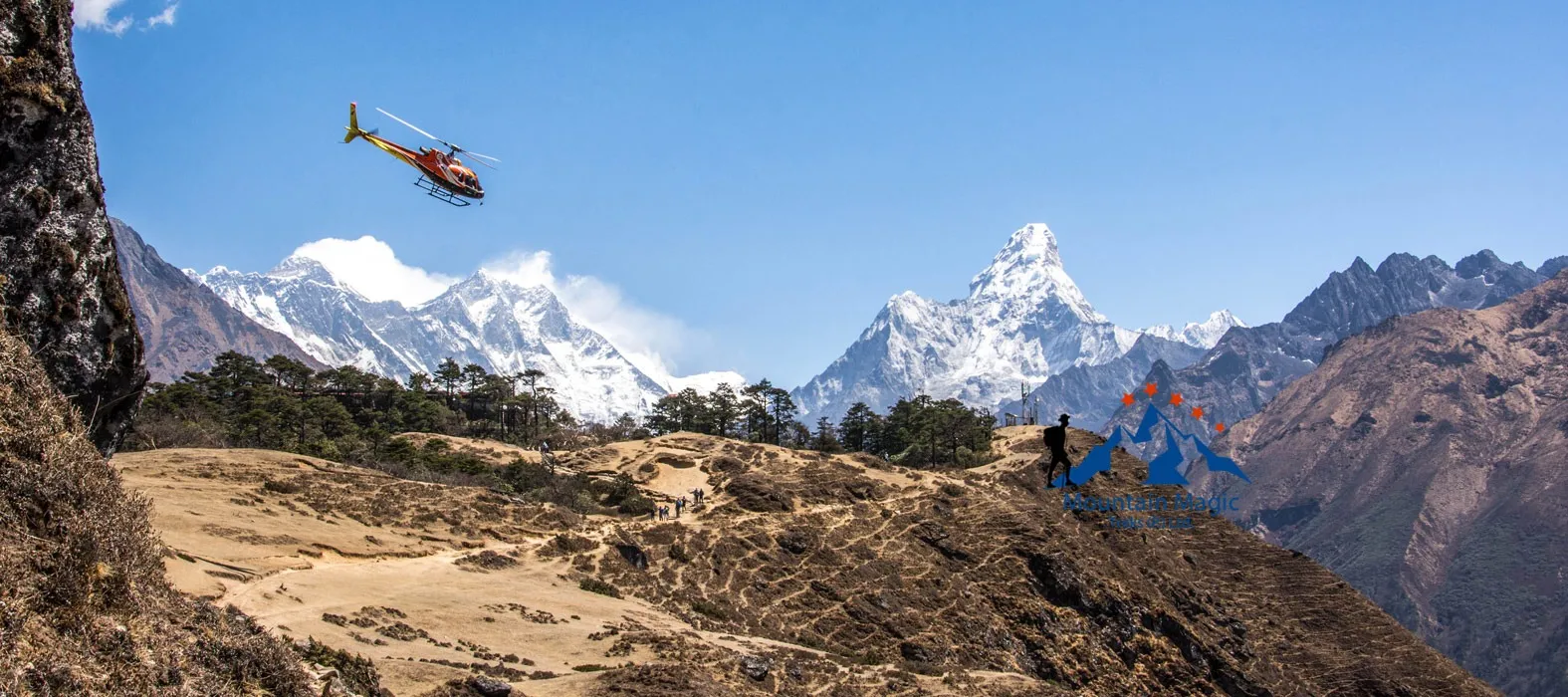
Mountain travel can affect more than breathing and physical endurance. Changes in atmospheric pressure, cold temperatures, wind, and aircraft travel can also influence ear comfort. Some travelers notice blocked ears, popping sensations, or temporary changes in hearing during their journey.
During the Everest Base Camp Trek with Helicopter Return, travelers move through settlements at increasingly high elevations before taking a helicopter from the Gorakshep area toward Kathmandu. Understanding how the ears respond to pressure changes helps travelers manage common discomfort and recognize symptoms that require medical attention.
How the Ear Maintains Pressure Balance
The middle ear is an air-filled space behind the eardrum. It connects to the back of the nose and throat through a narrow passage called the Eustachian tube.
This tube helps balance air pressure on both sides of the eardrum.
Why the Ears Sometimes Feel Blocked
When pressure outside the ear changes, the Eustachian tube may need to open to restore balance.
If it does not open easily, travelers may experience:
-
A blocked or full sensation.
-
Popping sounds.
-
Mild discomfort.
-
Temporary muffled hearing.
-
Pressure around the ear.
These sensations are common during changes in altitude, particularly when pressure changes happen quickly.
How Mountain Elevation Affects Ear Comfort
As a person moves higher into the mountains, atmospheric pressure decreases. The body must adjust to these changing conditions.
Unlike a pressurized aircraft cabin, a trekking trail does not maintain a constant surrounding pressure. However, the gradual changes during walking are generally less abrupt than those experienced during some aircraft movements.
Gradual Changes Along the Route
The trekking route moves from Lukla toward Namche Bazaar, Tengboche, Dingboche, Lobuche, and Gorakshep.
These settlements are located at progressively higher elevations. Some travelers may notice changes in ear pressure during the journey, while others experience no noticeable discomfort.
The Everest Base Camp Trek with Helicopter Return involves a major elevation change over several days, but ear pressure symptoms should not automatically be attributed to altitude sickness.
Why Nasal Congestion Can Make Ear Pressure Worse
The Eustachian tube opens near the back of the nose. When the nose and surrounding tissues become swollen or congested, pressure equalization may become more difficult.
Colds, allergies, sinus irritation, and respiratory infections can contribute to this problem.
What Travelers Should Consider Before Departure
Travelers with an active cold, ear infection, severe sinus congestion, or a history of pressure-related ear problems should discuss their condition with a healthcare professional before the trip.
This is particularly important when helicopter flights are part of the itinerary because rapid pressure changes may increase discomfort.
Do not ignore ear pain simply because the trek is already underway.
Simple Ways to Manage Mild Ear Pressure
For mild pressure discomfort, some ordinary actions may help the Eustachian tube open.
Practical Methods
-
Swallow regularly.
-
Yawn gently.
-
Sip water.
-
Chew gum if comfortable.
-
Avoid inserting objects into the ear canal.
These actions may help balance pressure during ordinary changes in elevation.
Avoid forceful attempts to clear the ears. Travelers with ear pain, infection, or a history of eardrum problems should seek medical advice before attempting pressure-equalizing techniques.
How Helicopter Flights Can Affect the Ears
Helicopter flights involve changes in cabin altitude and pressure. The rate and extent of pressure changes depend on the aircraft, flight profile, and operating conditions.
Passengers may notice popping sensations or temporary fullness during ascent or descent.
Preparing for the Return Flight
Before boarding, travelers should tell the crew or guide about significant ear pain or hearing problems.
Useful precautions include:
-
Avoiding flights with untreated active ear infections unless medically cleared.
-
Keeping water accessible for swallowing.
-
Following crew instructions.
-
Avoiding forceful ear-clearing techniques.
-
Reporting severe pain or sudden hearing changes.
The Everest Base Camp Trek with Helicopter Return includes a flight from the high-altitude Gorakshep area toward Kathmandu, but flight operations depend on weather and other operational conditions.
Cold Weather and Ear Protection
Cold mountain air can cause discomfort around exposed ears. Strong winds may also make the outer ears feel painful, especially during long periods outdoors.
Choosing Suitable Head Protection
A warm hat, ear-covering headband, or suitable hood can protect the ears from cold wind.
Head protection should fit comfortably without pressing tightly against the ears. Travelers should also avoid using wet or damp coverings for extended periods.
Cold-related ear discomfort is different from pressure-related problems inside the middle ear. Understanding this difference helps travelers describe their symptoms more clearly.
When Ear Symptoms Need Medical Attention
Mild popping or temporary fullness may settle on its own. However, severe or persistent symptoms should not be ignored.
Warning Signs
Seek medical assessment if any of the following occur:
-
Severe or increasing ear pain.
-
Sudden hearing loss.
-
Persistent ringing in the ears.
-
Fluid or blood coming from the ear.
-
Dizziness or balance problems.
-
Symptoms that continue after pressure changes have stopped.
Sudden hearing loss requires urgent medical evaluation. Do not wait until the trek finishes to report a serious hearing problem.
Protecting Hearing From Helicopter Noise
Helicopters produce loud engine and rotor noise. Passengers and ground staff may be exposed to high sound levels during boarding, flight operations, and landing.
Follow Aircraft Safety Instructions
Travelers should use hearing protection when instructed or provided by the operator. They should also follow crew directions about where to stand and when to approach the aircraft.
Never approach a helicopter without permission. Keep away from rotor areas and remain in the designated passenger zone.
Hearing protection should be suitable for the flight and should not interfere with communication or safety instructions.
Final Thoughts
Ear pressure and hearing comfort can be affected by changing atmospheric pressure, nasal congestion, cold weather, and helicopter noise. Most mild pressure sensations are temporary, but severe pain or sudden hearing changes require proper medical attention.
During the Everest Base Camp Trek with Helicopter Return, travelers should protect their ears from cold conditions, manage congestion responsibly, and follow aircraft safety instructions. A small amount of preparation can help prevent avoidable discomfort during both the walking route and the return flight.
Frequently Asked Questions
1. Can high altitude cause blocked ears?
Changes in atmospheric pressure can affect ear pressure balance. Some travelers experience temporary fullness or popping sensations.
2. Does chewing gum help with ear pressure?
Chewing gum encourages swallowing, which may help the Eustachian tube balance pressure.
3. Can a cold affect ear pressure during helicopter travel?
Yes. Nasal congestion can make pressure equalization more difficult and may increase discomfort during a flight.
4. Should travelers fly with an ear infection?
They should seek medical advice before flying. An active ear infection can make pressure changes painful and may increase the risk of complications.
5. Is helicopter noise harmful to hearing?
Helicopters produce loud noise, so passengers should follow the operator’s hearing-protection instructions and aircraft safety guidance.