

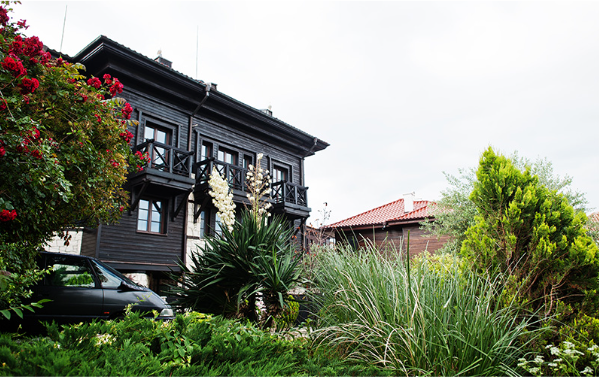
The landscape of residential living in Singapore is changing, and landed properties are no exception. From aesthetic reinvention to functional upgrades, Singapore landed house design has undergone a transformation that reflects contemporary needs and preferences. This evolution is driven by a desire for space efficiency, sustainability, and architectural distinction—shaping a new identity for private homes in the city-state.
Prioritising Functionality Over Excess
Homeowners are increasingly favouring function-driven spaces instead of overly ornate or grand interiors. Open layouts, kitchen islands with storage, and connected indoor-outdoor areas have become standard features in landed house renovation projects. By focusing on how spaces are used day to day, designers craft homes that are not just attractive but also intuitive and accessible.
Integrating Sustainable Materials and Design
Environmental consciousness plays a larger role in how landed homes are rebuilt or upgraded. Solar panels, rainwater harvesting systems, and energy-efficient appliances are early in the planning process. Sustainable finishes such as recycled wood, natural stone, and low-VOC paints help reduce the environmental impact without compromising design quality. This shift highlights how Singapore’s landed house design is aligning with broader sustainability goals.
Embracing Vertical Architecture
Due to Singapore’s limited land availability, vertical living has extended beyond high-rise condominiums. More landed homes are now being designed to expand upwards rather than outwards. Three-storey layouts with basement additions, rooftop gardens, and mezzanine studies are some of the ways residents make full use of the land plot. These changes support multi-generational living while keeping areas private and adaptable.
Blending Indoor and Outdoor Living
New renovations often highlight creating a strong visual and functional connection between indoor and outdoor spaces. Courtyards, pocket gardens, and sliding glass doors expand the perception of space while enhancing ventilation and natural light. In a tropical climate like Singapore, this approach improves comfort and livability, and it has become a core element of modern landed house renovation.
Learn More: A Designer’s Guide: 5 Trendy Renovation Ideas for HDB Homes
Enhancing Privacy Without Losing Light
Balancing openness with privacy is a challenge in landed house design. Recent architectural solutions include perforated screens, internal courtyards, and window placement. These features allow homes to remain light-filled and visually open without sacrificing the residents’ need for personal space. In dense neighbourhoods, this strategy helps homes feel serene and secluded.
Adopting Smart Home Integration
With the rise of tech-enabled living, smart home features are now seamlessly incorporated into renovation plans. Lighting, security, air conditioning, and entertainment systems can be controlled via smartphones, making daily life more efficient. These installations are now being embedded subtly into Singapore landed house design, giving homes a high-tech edge without looking overly futuristic.
Reinterpreting Heritage Features
Some homeowners prefer to keep traditional architectural features while updating the rest of the home for contemporary living. Features like decorative tiles, wooden shutters, and pitched roofs are reintroduced with modern detailing. This blend of old and new reflects the cultural heritage of Singapore while meeting current lifestyle demands. It also allows older properties to retain character after land renovation.
Creating Multi-Use Zones
Flexibility has become a key goal in house design. Multi-use zones, like study rooms that double as guest bedrooms or living rooms that flow into dining spaces, allow families to maximise utility without increasing the property footprint. These hybrid areas adapt to changing needs, making them a strategic part of the design brief for many homeowners.
Using Neutral Tones and Clean Lines
Minimalism has been significant through the years. Clean lines, muted tones, and natural materials contribute to a calm and timeless atmosphere. This design philosophy keeps spaces from feeling dated, and it supports the flexibility to change furniture or decor without reworking the entire house.
Planning for Future Generations
Long-term thinking is increasingly influencing how houses are renovated or built. Features like wheelchair-accessible entrances, lifts, and senior-friendly bathrooms are being included in new layouts. These adjustments ensure that homes remain usable as family members age, making landed house renovation a forward-looking investment that supports multi-generational living.
The reinvention of Singapore’s landed homes reflects a deeper understanding of space, lifestyle, and responsibility. Whether through sustainable design, architectural innovation, or the integration of smart technology, today’s landed properties are built with purpose and precision.
For more information about condo interior design and renovation solutions, contact Home Guide Design today.