In today’s rapidly evolving world, enhancing your home’s energy efficiency is more than just about saving on utility bills; it’s about contributing to a sustainable future. Among various methods of improving energy efficiency, smart insulation stands out as both innovative and effective. This cutting-edge approach to home insulation not only offers superior thermal performance but also plays a pivotal role in reducing carbon footprints, especially in extreme climates like Canada’s.
The Impact of Insulation on Energy Efficiency
Insulation is a critical component of any building’s energy performance. It serves as a barrier that reduces the heat flow between the inside and outside of a building. Particularly in Canada, where climates can range dramatically from region to region, proper insulation is essential. It can help maintain a comfortable indoor temperature regardless of the weather outside, thus reducing the need for artificial heating and cooling.
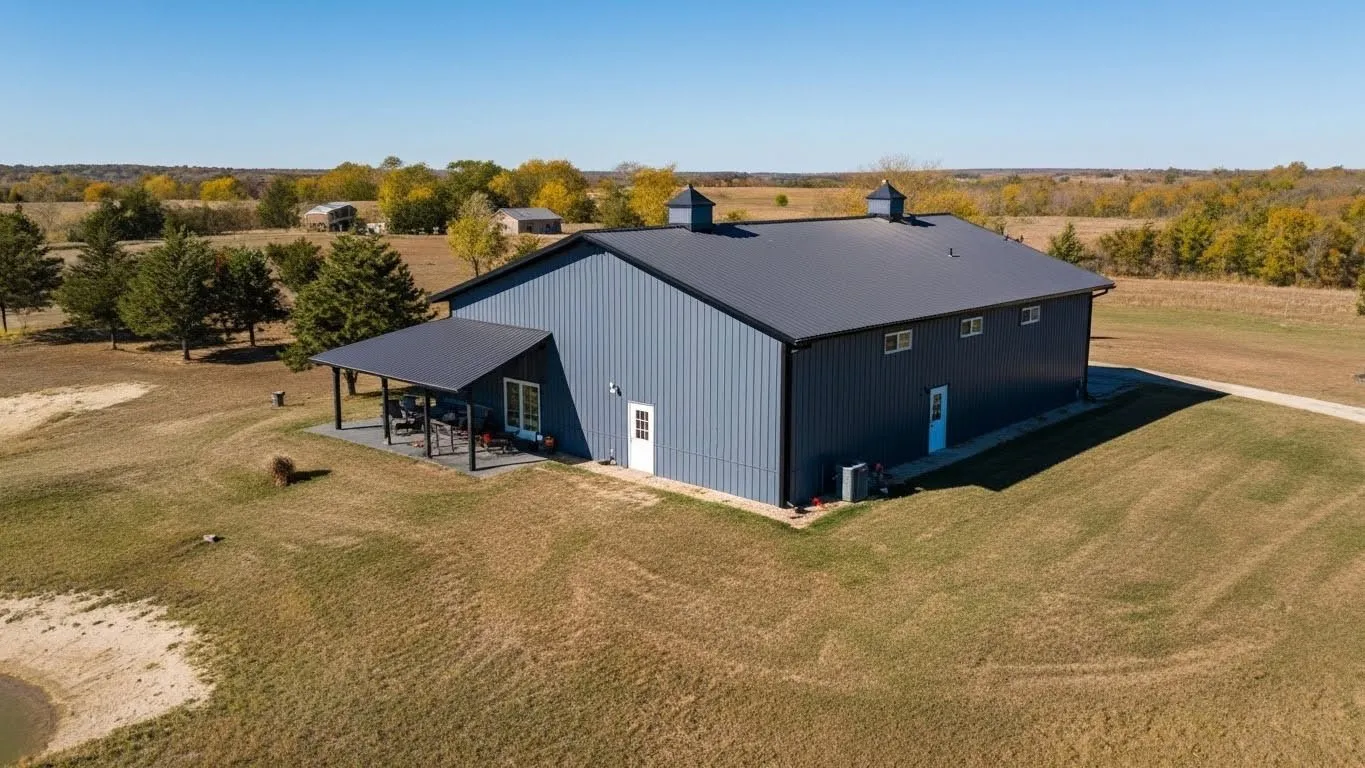
Traditional insulation materials, such as fiberglass and cellulose, have been used for decades. However, these materials often fall short in terms of efficiency and safety. This is where smart insulation, utilizing advanced materials and technologies, comes into play. It’s effective not only in newly constructed homes but also in retrofitting older buildings, such as barndominiums in Canada, with modern energy-saving solutions.
Advantages of Smart Insulation
1. Enhanced Thermal Performance
One of the primary benefits of smart insulation is its superior thermal performance. This is achieved through materials that are designed to adapt to temperature changes. For example, phase change materials (PCMs), a component of smart insulation, absorb and release heat as they transition between solid and liquid states. This process helps maintain a stable indoor temperature, reducing the need for heating in the winter and cooling in the summer.
2. Sustainability and Environmental Impact
Smart insulation is often made from sustainable materials and processes. This not only reduces the product’s carbon footprint during production but also contributes to lower energy consumption over the life of a building. Innovative insulation products may include recycled materials or biopolymers that are both high-performance and environmentally friendly, aligning with the global push towards sustainability.
3. Cost-Effectiveness
While the initial investment in smart insulation can be higher than traditional options, the long-term savings on energy bills can be significant. In climates where extreme temperatures are the norm, as is often the case with steel buildings in Ontario, the return on investment can be realized in just a few years. Furthermore, government incentives and rebates for energy efficiency improvements can further offset the initial costs.
4. Health and Comfort Benefits
Beyond energy savings, smart insulation also provides health benefits. By maintaining a consistent temperature and reducing drafts and cold spots, it creates a more comfortable living environment. Additionally, certain smart insulation materials can improve indoor air quality by resisting moisture, mold, and mildew, which are common problems in poorly insulated homes.
Integrating Smart Insulation into Canadian Homes
Integrating smart insulation into Canadian homes involves understanding the unique challenges posed by the local climate. Canadian winters are notoriously harsh, and insulation must be robust enough to withstand extreme cold. Installing smart insulation can be particularly beneficial in barndominiums in Canada, where the large open spaces require efficient heating solutions.
Moreover, for structures like steel buildings in Ontario, which are often used for commercial or industrial purposes, smart insulation can significantly enhance thermal regulation and reduce energy costs associated with maintaining indoor climate conditions.
Steps to Integrate Smart Insulation
Step 1: Conduct an Energy Audit
Before implementing smart insulation, it’s advisable to conduct a comprehensive energy audit. This process will identify areas where energy efficiency can be improved and provide a baseline for measuring the impact of your upgrades.
Step 2: Choose the Right Materials
Selecting the appropriate smart insulation materials requires consideration of several factors, including R-value, climate zone, and budget. Factors such as ease of installation and environmental impact should also be considered to ensure the solution is cost-effective and sustainable.
Step 3: Professional Installation
To maximize the benefits of smart insulation, professional installation is recommended. Experts can ensure that no gaps or weak points in the insulation are left, which could otherwise compromise the system’s efficiency. Professional expertise is particularly critical for complex structures like steel and barndominium frameworks.
Step 4: Monitor and Maintain
After installation, regular monitoring is crucial. This helps in ensuring that the insulation is performing as expected and allows for adjustments to maximize energy savings. Regular maintenance, especially in older homes or buildings, is essential to address wear and tear and to make improvements based on the latest technologies.
Future Trends in Smart Insulation Technology
The field of smart insulation is continually evolving, with new technologies being developed to further enhance energy efficiency. Research is ongoing into better integration with renewable energy sources and the Internet of Things (IoT) to enable more adaptive energy management. The aim is to make buildings not only energy efficient but also intelligent in the way they consume and conserve energy.
Advances such as the use of aerogels, which are ultra-light materials used in high-efficiency insulation products, and improvements in vapor retardant barriers to enhance moisture resistance, indicate just a glimpse of future possibilities. As these advancements become more accessible, they are likely to significantly reduce the environmental impact of buildings across the globe.
Conclusion: Embrace the Future with Smart Insulation
In conclusion, adopting smart insulation is a progressive step toward making Canadian homes and buildings more energy-efficient, sustainable, and comfortable. Whether you own a traditional home, a barndominium, or manage an industrial facility, investing in smart insulation can lead to substantial energy and cost savings, contributing to a greener planet.
With Canada’s diverse climate, the enhanced performance provided by smart insulation solutions is an excellent way to ensure comfort while committing to energy efficiency. As technology continues to advance, the options for improving home energy efficiency will expand, offering even more innovative solutions for home and building owners across the country.