

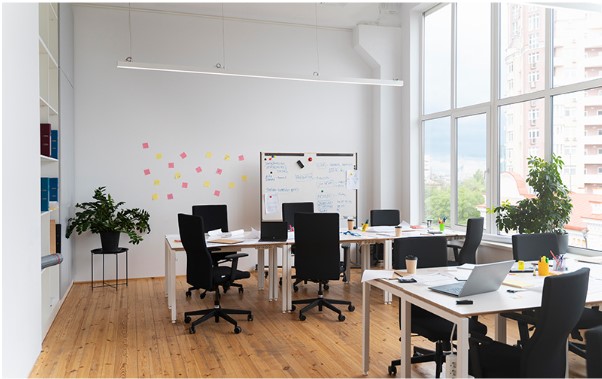
Office design encompasses more than just aesthetics. When badly executed, it discreetly reduces productivity, morale, and profitability. Businesses that invest in office renovations without strategic planning frequently wind up spending more in the long run—not only in cash but also in staff productivity and engagement.
Unpack the underestimated consequences of subpar office interior design in Singapore.
Declining Employee Productivity
One of the first casualties of a badly designed office is productivity. Poor lighting, excessive noise, cramped workspaces, or even badly positioned meeting rooms can significantly hinder focus and concentration. Employees struggle with distractions, fatigue, and reduced cognitive function without proper spatial planning. Natural light and ergonomic layouts are now recognised not as luxuries but as essentials. When businesses rush into office renovation projects without expert consultation, they risk creating a workplace that actively works against performance. Bad design drains time, energy, and efficiency.
Increased Sick Leave and Health Complaints
Workplace design affects physical health. Poor ventilation, inappropriate seating, and inadequate desk spacing contribute to musculoskeletal issues and eye strain. Bad air circulation can also exacerbate respiratory issues in the context of office interior design—where high-rise buildings and air-conditioning dominate. Lack of movement in a static office layout further amplifies health problems. Over time, this leads to increased absenteeism and higher medical claims, costing companies more than they might anticipate during the initial renovation budget. Investing in ergonomic furniture, indoor air quality systems, and adjustable workstations is no longer optional—it’s a long-term cost-saving measure.
Low Employee Retention
A workspace that feels outdated, uninspiring, or uncomfortable makes it easier for employees to leave. Amidst the competitive talent market, the office environment has become a non-negotiable factor for younger professionals. Companies that neglect this find themselves with high turnover rates, especially in industries where hybrid and remote work are viable alternatives. Office design becomes a hidden yet vital part of the employer value proposition. Investing wisely in renovation is not just about making things look better—it’s about making employees want to stay. Workspaces should support mental well-being, collaboration, and flexibility, or risk pushing talent away.
ALSO READ: How Office Interior Design Improves Productivity
Poor First Impressions and Damaged Brand Image
Office interior design is also about perception. When clients, partners, or job candidates step into an office, the space becomes a silent reflection of the company’s values and professionalism. Cluttered spaces, mismatched furniture, or dated finishes send the wrong message. In a market where reputation matters, a neglected office can undermine credibility, weaken trust, and diminish brand authority. Even digital calls today offer glimpses of office backdrops—poor aesthetics and maintenance stand out. Companies should treat their interiors as part of their brand management strategy, especially in image-conscious industries.
Missed Space Optimisation Opportunities
In a city where office rentals are among the highest in the region, failing to optimise square footage is a costly mistake. Poorly designed layouts may leave areas underused while other parts are overcrowded. Without proper planning during an office renovation in Singapore, companies may find themselves leasing more space than necessary—or worse, dealing with a layout that stifles growth and flexibility. A design that supports modularity, storage integration, and hybrid usage reduces waste and boosts ROI. The right design can turn compact offices into high-performing spaces.
Higher Future Renovation Costs
Cutting corners in the initial design phase leads to more frequent fixes, reworks, or even full-scale renovations. Using low-quality materials or ignoring scalability results in a space that cannot adapt to future business needs. Instead of a one-time investment, the company faces recurring expenses. Proper planning and engagement with experienced designers from the outset help future-proof the workplace and reduce long-term renovation costs. Smart office design can accommodate headcount changes, new technologies, and evolving workflows without structural overhaul.
Conclusion
Poor office design doesn’t just affect how a space looks—it influences everything from employee satisfaction to business performance. Thoughtful office interior design in Singapore is then a strategic necessity, not just an optional upgrade. Businesses that approach design as an investment rather than an afterthought can benefit from increased retention, efficiency, and brand impact.
Contact ID Inc to partner with specialists in office interior design who understand your business needs.