

Selecting the right bathroom flooring requires balancing waterproof performance, long-term durability, comfort, maintenance, and aesthetic appeal. Bathrooms face constant moisture, temperature changes, and foot traffic, so materials must resist water absorption, staining, and wear while offering design flexibility. Current recommendations consistently highlight a short list of proven options that deliver both strength and style without compromising practicality.
Porcelain Tile: The Gold Standard for Longevity
Porcelain tile stands out as the most durable and reliable choice for bathroom floors. Manufactured under high pressure and heat, it achieves water absorption rates of 0.5 percent or less, rendering it essentially impervious to moisture when properly installed. This density also provides excellent resistance to scratches, stains, and heavy use.
Lifespans commonly reach 30 to 50 years or more with basic care, and some installations perform well for decades longer. Porcelain works effectively throughout the bathroom, including shower floors, and pairs well with radiant heating systems. Design versatility is a major advantage: modern options convincingly replicate wood, natural stone, concrete, and marble in a wide range of sizes, colors, and finishes. Large-format tiles reduce grout lines for a cleaner look, while matte or textured surfaces improve slip resistance in wet conditions.
The primary drawbacks are a hard, cooler feel underfoot and the need for professional installation in most cases. Grout requires occasional cleaning or sealing to maintain appearance. Despite higher installed costs compared with some alternatives, porcelain often delivers strong resale value and minimal long-term upkeep.
Luxury Vinyl Plank and Tile: Comfort Meets Waterproof Performance
Luxury vinyl plank (LVP) and luxury vinyl tile (LVT), particularly rigid-core versions with SPC or similar constructions, have become leading alternatives for bathrooms. These materials feature fully waterproof cores that resist standing water and humidity when seams and edges are properly managed. They offer a warmer, softer surface underfoot than tile, making them more comfortable for daily use.
Realistic wood-grain and stone patterns provide stylish options that suit both contemporary and traditional spaces. Installation is generally simpler and more DIY-friendly than tile, often allowing placement over existing floors with less preparation. Typical lifespans range from 15 to 25 years under bathroom conditions. Costs are usually lower than porcelain, positioning LVP as a strong value choice for family bathrooms, powder rooms, or budget-conscious renovations.
Quality varies by product, so selecting options rated for wet areas and ensuring correct installation around perimeters is essential. While highly durable against moisture, the surface can show dents or scratches under extreme impact compared with hard tile.
Ceramic Tile and Natural Stone Options
Ceramic tile provides a more affordable tiled appearance with good water resistance when glazed and properly grouted. It is denser than many materials but absorbs more moisture than porcelain, making it suitable for lower-traffic bathrooms rather than high-moisture primary spaces. Durability is solid for decades with maintenance, and style options remain extensive.
Natural stone—such as marble, slate, travertine, or limestone—delivers unique, high-end aesthetics that many manufactured products cannot fully match. Slate often offers strong natural grip, while honed or tumbled finishes improve safety over polished surfaces. When sealed regularly (typically once or twice a year), stone performs well and can last decades. It enhances luxury appeal and resale potential but demands higher maintenance, higher costs, and careful cleaning to avoid etching or staining from acidic products.
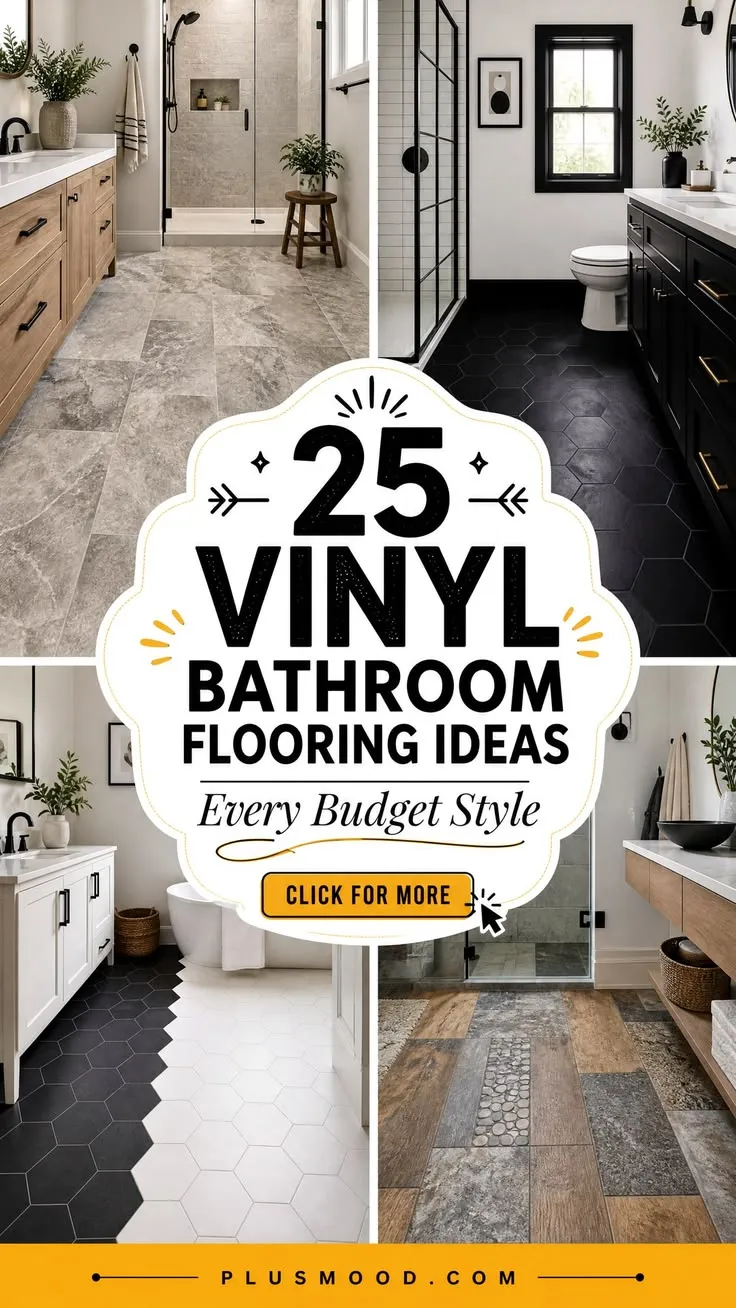
Sheet Vinyl and Other Considerations
Sheet vinyl remains a practical budget option. Its seamless installation minimizes water entry points, and it feels relatively soft and warm. Lifespans typically fall in the 10-to-20-year range. It suits rental properties, secondary bathrooms, or tight budgets but offers fewer premium design options and lower durability than rigid-core luxury vinyl or tile.
Materials such as standard laminate, solid hardwood, and carpet are generally unsuitable for full bathrooms due to swelling, warping, or moisture retention risks. Waterproof-rated laminates exist but still carry greater vulnerability at seams compared with true waterproof cores.
Key Factors for Choosing and Installing
Prioritize true waterproof performance over surface water resistance alone. Look for low water absorption ratings, wet dynamic coefficient of friction (DCOF) values of 0.42 or higher for safer traction, and finishes that reduce slipperiness. Consider underfloor heating with harder surfaces for comfort. Proper subfloor preparation, ventilation, and professional installation (especially for tile and stone) significantly affect longevity.
Style trends favor large-format porcelain, realistic wood-look planks in both tile and vinyl, and neutral or earth-toned palettes that create spa-like atmospheres. Matching flooring to overall bathroom design—vanity finishes, wall treatments, and lighting—ensures cohesion.
Making the Right Selection
For maximum durability, resale value, and wet-area performance, porcelain tile is the preferred recommendation across expert sources. For a balance of waterproof reliability, comfort, style variety, and value, rigid-core luxury vinyl ranks highly. Natural stone suits those prioritizing distinctive luxury and willing to maintain it. Budget projects benefit from quality sheet vinyl or ceramic options.
Assess household needs, traffic levels, moisture exposure, and long-term plans. Investing in a suitable material with correct installation yields a bathroom floor that remains attractive, functional, and resilient for years. The best choice combines proven waterproof characteristics with the visual character that complements the space.
Read more- marathimeanings.com