

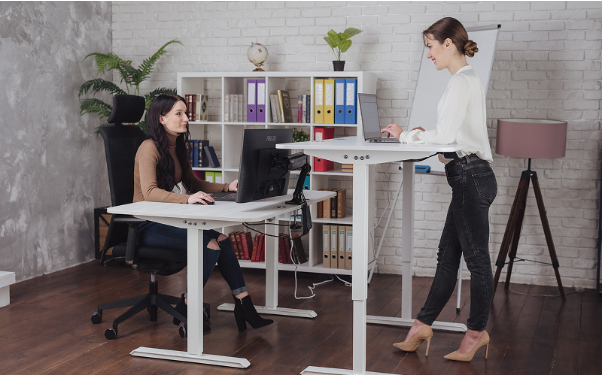
Building expertise in workplace ergonomics and productivity doesn’t require a lavish budget or corporate-sized investments. With hybrid and remote working continuing to shape office norms, the need for practical, efficient setups has only grown. The right tools and strategies not only improve focus and posture but also prevent long-term strain, especially in high-demand roles. From setting up an ergonomic table and chair in Singapore to mastering daily routines, here are effective ways to elevate your space and skills without stretching your finances.
1. Start With the Fundamentals of Ergonomic Design
Before investing in premium equipment, it pays to understand what ergonomics actually involves. The science centres around designing environments that support physical well-being during work. A good starting point is posture: aim for a neutral seated position where elbows form a right angle, eyes meet the top of your monitor, and feet stay flat. Minor adjustments to desk height or chair angle can significantly reduce fatigue. Exploring office furniture in Singapore that supports these adjustments is worthwhile, especially for long-term use.
2. Choose Functional Furniture Over Flashy Features
There’s no need to spend excessively on statement pieces. A height-adjustable table in Singapore, for instance, offers clear functional benefits, helping you switch between sitting and standing to reduce back and neck pressure. Prioritise durability, range of movement, and ease of adjustment when selecting office essentials. Local suppliers often offer a wide variety of budget-conscious options that meet these criteria, including packages that include an ergonomic chair suited for extended working hours.
3. Make Use of Online Learning for Workplace Efficiency
Upskilling doesn’t always need a formal classroom. Numerous credible platforms offer low-cost or even free courses on workplace ergonomics, productivity techniques, and time management. Short modules on optimising workspaces or managing digital fatigue can translate into major gains in how you work day-to-day. Look for content developed by occupational therapists or industry professionals to ensure you’re following evidence-based advice.
4. Repurpose Existing Items Creatively
Before rushing to purchase new office furniture in Singapore, evaluate what’s already available. A stack of books can temporarily elevate a monitor to eye level. Cushions or rolled towels provide back support in the absence of ergonomic chairs. While these are short-term fixes, they still support the principles of comfort and alignment. Over time, gradually replacing items with ergonomic alternatives ensures you build an effective setup without a heavy upfront cost.
5. Monitor Habits, Not Just Equipment
Investing in a height-adjustable table in Singapore won’t bring benefits if you remain seated in one position for hours. Incorporate short movement breaks into your schedule. Use reminders or apps that cue you to stretch, walk or shift posture regularly. Small routines like these support circulation, improve alertness and align well with an ergonomic approach to work without any cost at all.
6. Prioritise Ergonomic Support in High-Impact Areas
If budget constraints limit your choices, focus on the areas that bear the most stress during work. The chair, desk and monitor position have the greatest effect on your posture and comfort. An ergonomic table and chair in Singapore don’t need to be expensive to offer correct support. Look for key features such as lumbar support, adjustable armrests, and stable leg frames. Even entry-level options with proper structure can outperform visually attractive but poorly designed furniture.
7. Evaluate Local Resources for Workspace Upgrades
Many Singapore-based companies offer leasing options or pre-loved ergonomic furniture at lower rates. This includes height-adjustable tables, chairs, and storage solutions tailored to compact spaces. Government productivity grants and ergonomic assessments from workplace consultants are also sometimes available for SMEs or remote workers. These can guide your investment choices and improve your work conditions without straining your finances.
8. Create a System That Encourages Focus
The organisation plays a large role in productivity. Cluttered desks and poorly placed equipment lead to distractions and inefficient movements. Arrange your space so that essentials remain within arm’s reach, and use cable organisers or wall-mounted shelves to free up the desk surface. Pairing this setup with the right office furniture in Singapore helps you maintain consistency and focus throughout the day.
9. Test Before You Commit
Where possible, test furniture or accessories before purchasing. Some retailers allow in-person trials or short-term rentals. Sitting at a height-adjustable table in Singapore or checking the tilt range of a chair offers immediate insights into comfort and suitability. Making informed decisions in this way avoids wasted spending and ensures your setup aligns with ergonomic standards.
10. Know When to Seek Expert Guidance
When persistent discomfort or productivity blocks occur despite adjustments, it may be time to consult a professional. Occupational health specialists or workspace consultants provide tailored advice that often proves more economical than trial-and-error purchases. Their insights can also help prioritise upgrades that deliver the most value over time.
An ergonomic setup doesn’t need to be elaborate or expensive to be effective. Strategic decisions, steady upgrades and a clear understanding of ergonomic principles can yield long-term benefits in health, comfort and output. Contact Tableholic for ergonomic furniture and workspace consultations tailored to your needs.